Rainforest & Wildlife · Full Day
Paddle across a quiet bay in a traditional pirogue and step into Nosy Be's last primary rainforest — home to jet-black lemurs, tiny sleeping mouse lemurs, harmless boas and some of the smallest chameleons on Earth. A full day on foot with a local naturalist guide, hotel pickup and park fees included.
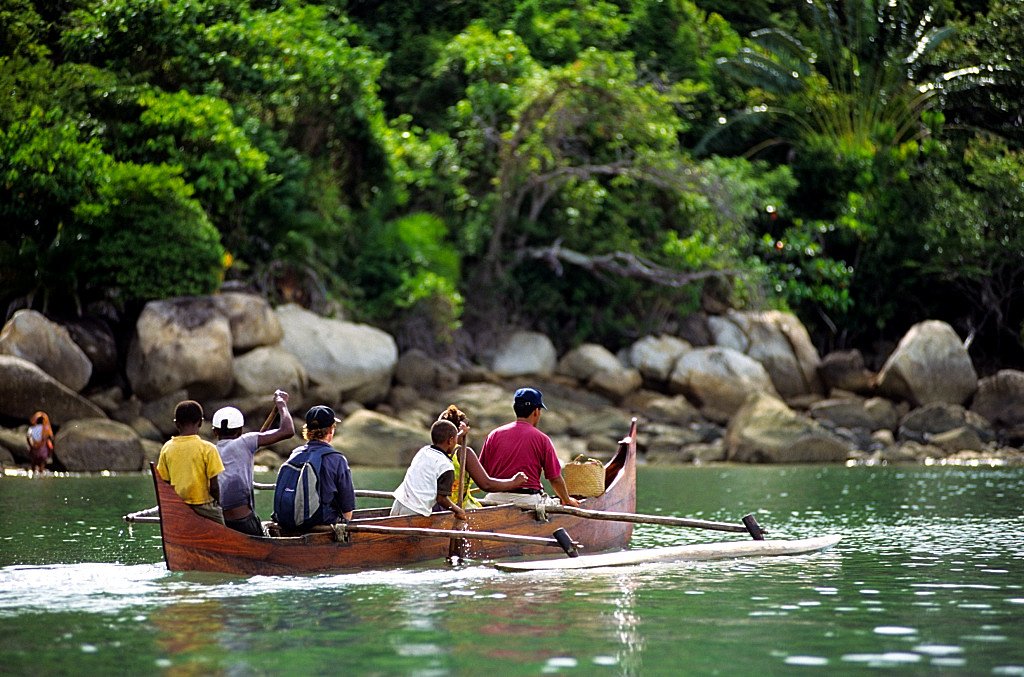
After we pick you up from your hotel, we drive south past the ylang-ylang plantations to the fishing village of Ambatozavavy. There, a traditional wooden pirogue carries you across the calm, mangrove-lined bay to Ampasipohy — the little beach that is the gateway to Lokobe. It is a beautiful, slow arrival: no roads reach the reserve, only the water.
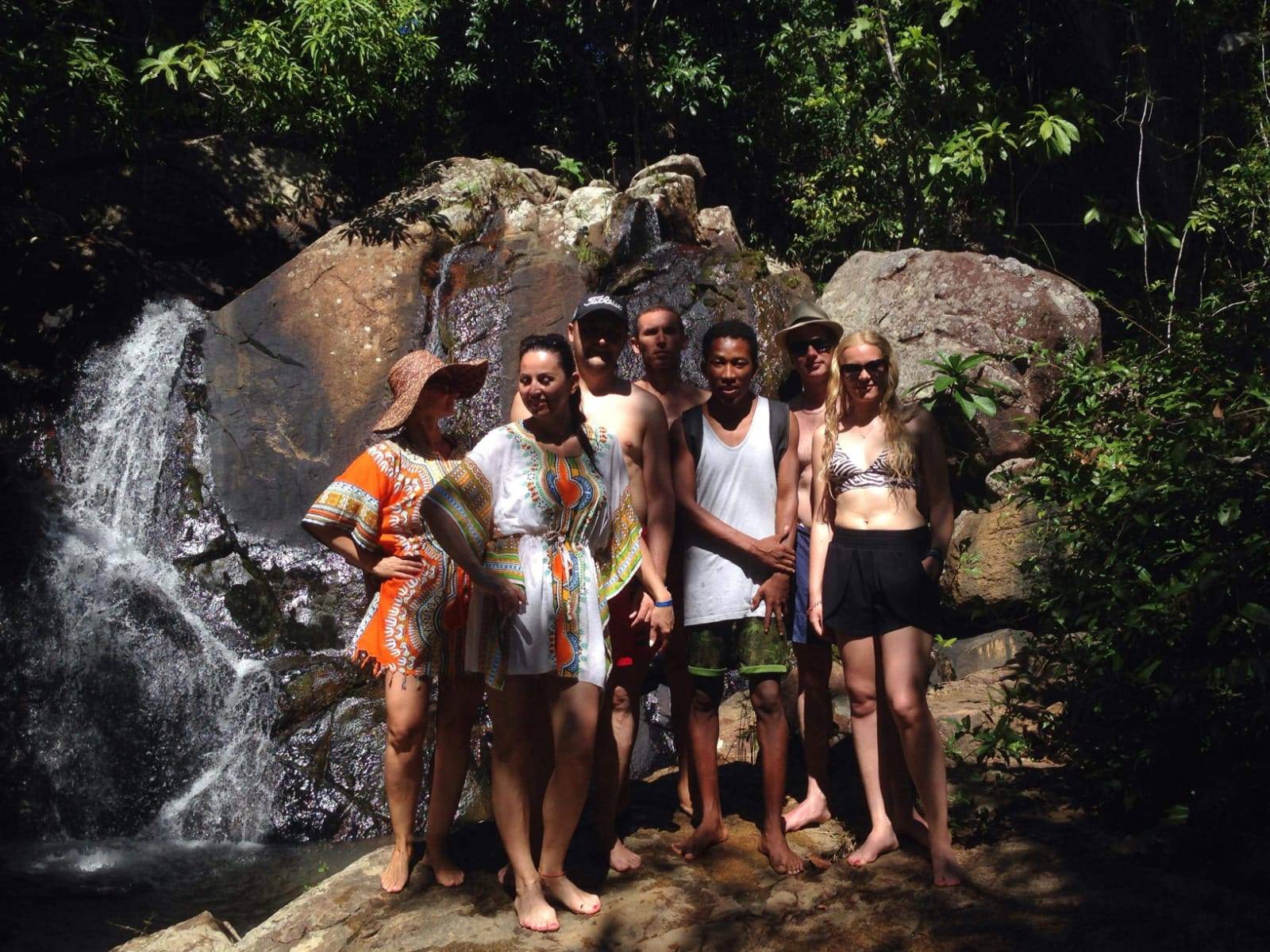
Inside the reserve, your Malagasy naturalist guide tracks down the wildlife most visitors would walk straight past. Lokobe is a place you explore with your eyes up in the canopy and your ears open — black lemurs dozing on a branch, a leaf-tailed gecko pressed flat and invisible against the bark, a boa coiled in the shade, and, if the guide's sharp eyes find one, a mouse lemur curled asleep in a tree hollow. The walk is on shaded forest paths at an easy, unhurried pace, with plenty of stops for photos.
Lunch is a fresh Malagasy meal in the village — typically grilled fish or zebu, rice and tropical fruit — before the pirogue carries you back across the bay in the afternoon. Bring shoes you don't mind getting a little wet for the beach landing.
Up Close
Lokobe is one of the best places on Nosy Be to see Madagascar's endemic animals in the wild — creatures that live nowhere else on Earth. Here are some of the faces you might meet on the forest floor and in the canopy overhead.
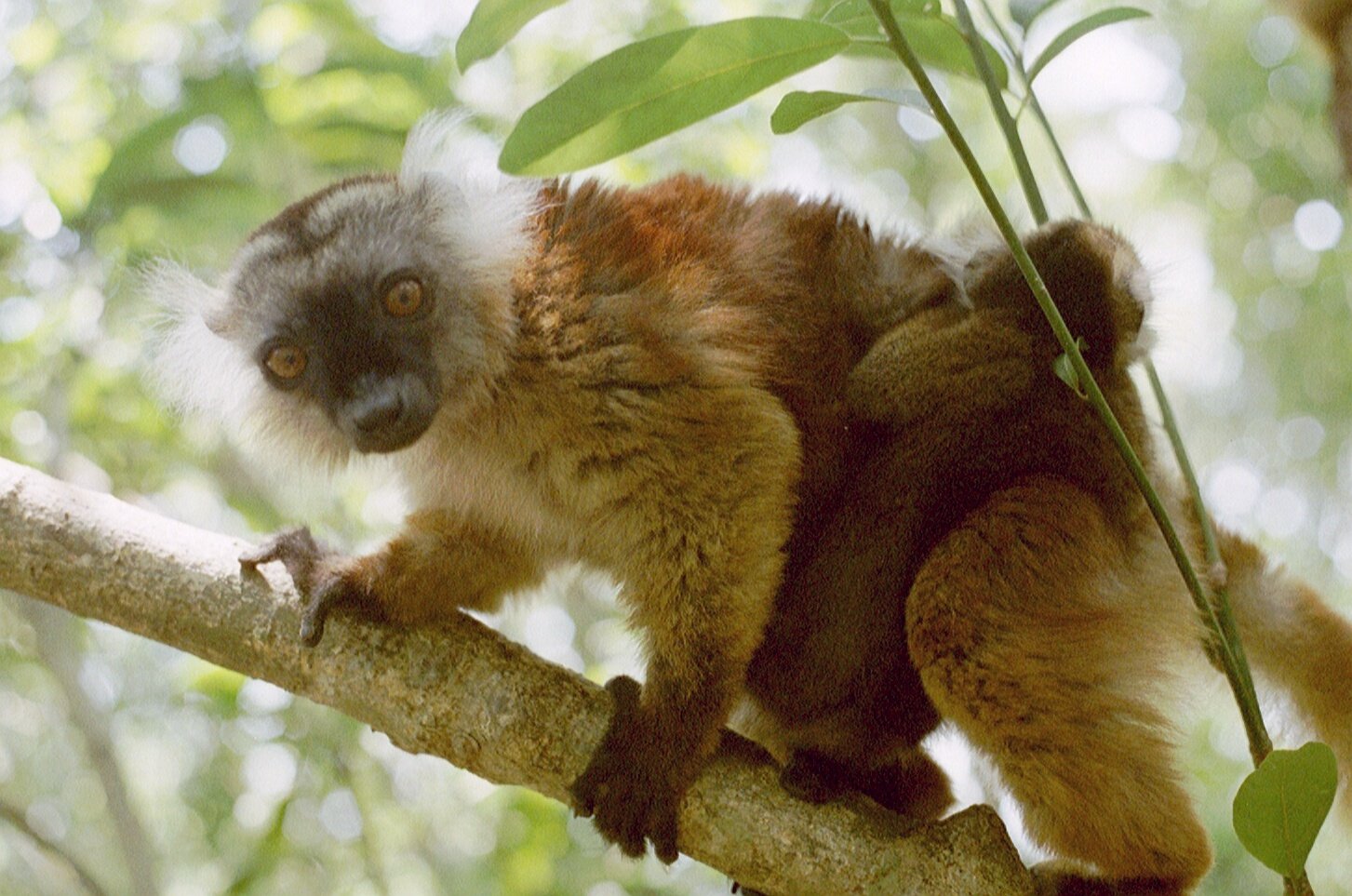
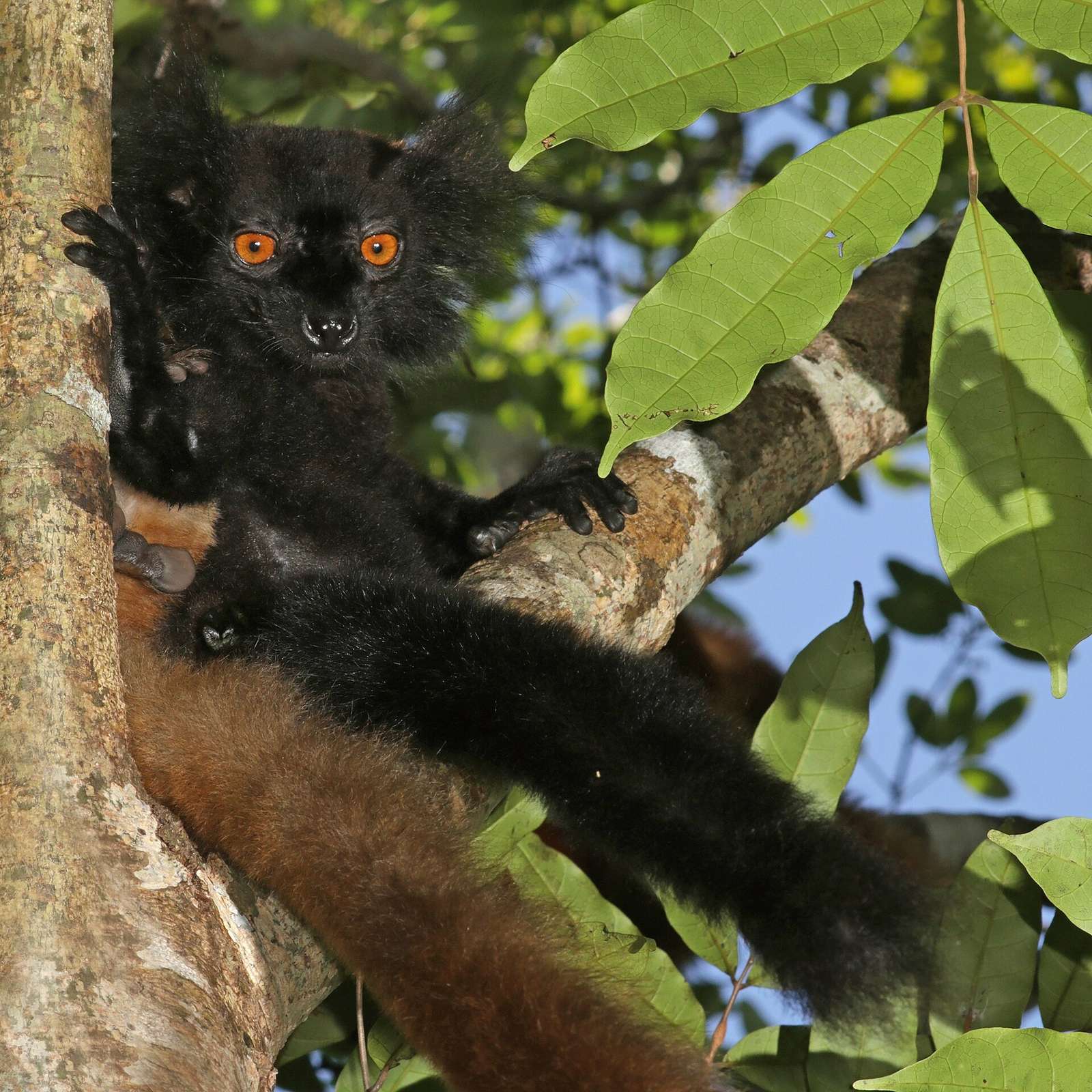
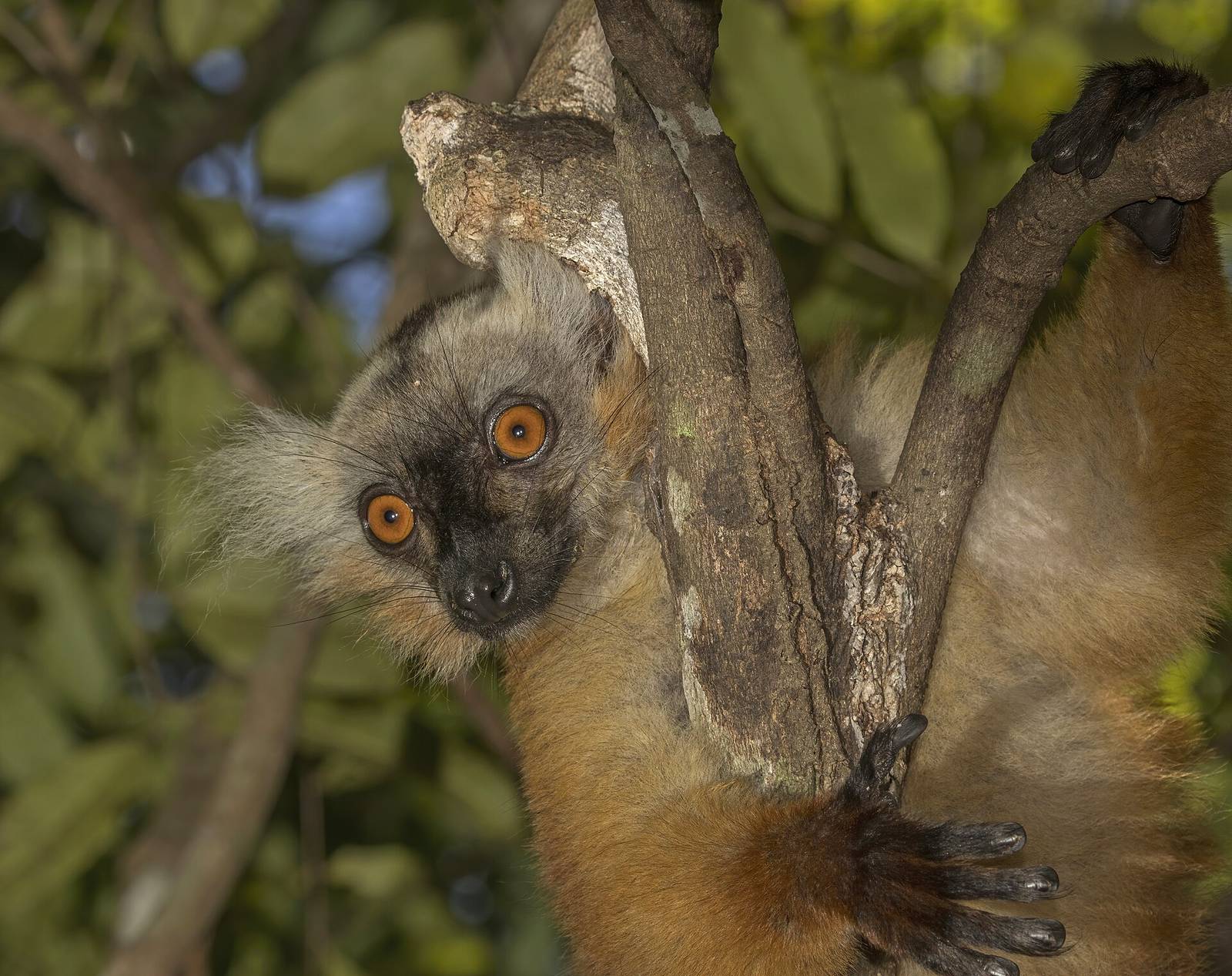
Lokobe's signature animal is the black lemur, and males and females look so different that people often think they are two species. The males are a deep, glossy black; the females wear a warm russet-brown coat with bright white ear-tufts and cheeks. They are wild, but relaxed around quiet visitors, and often watch you as closely as you watch them.
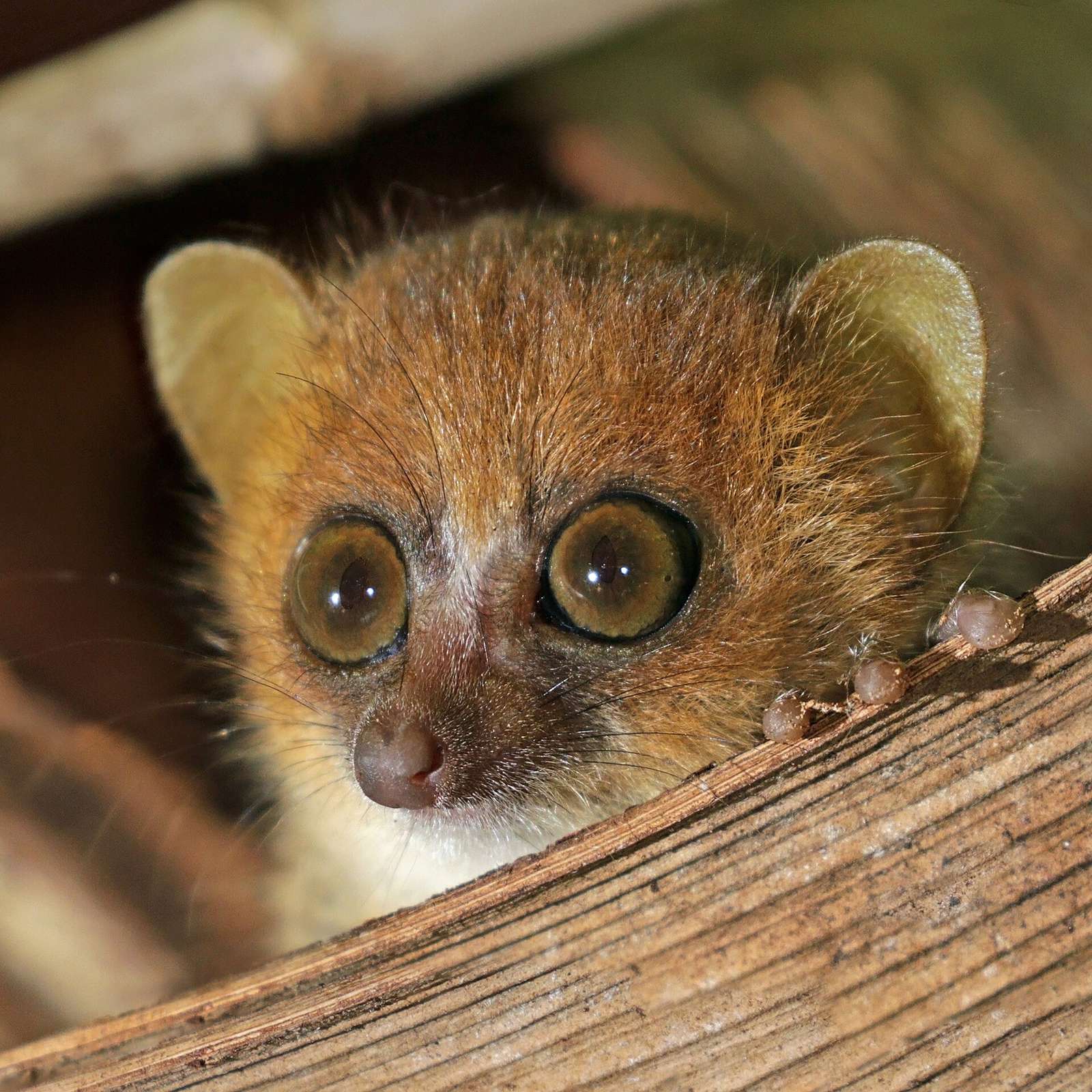
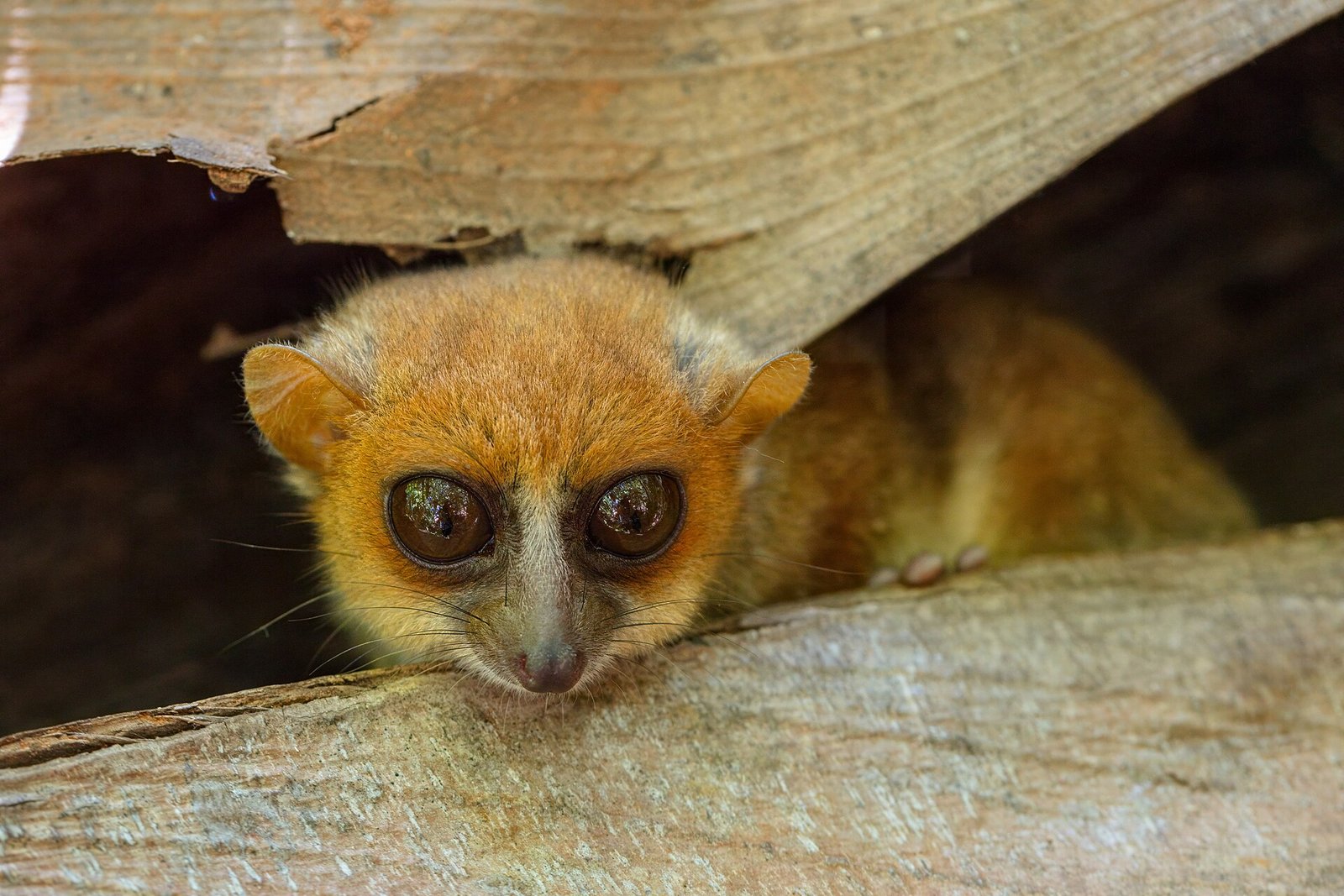
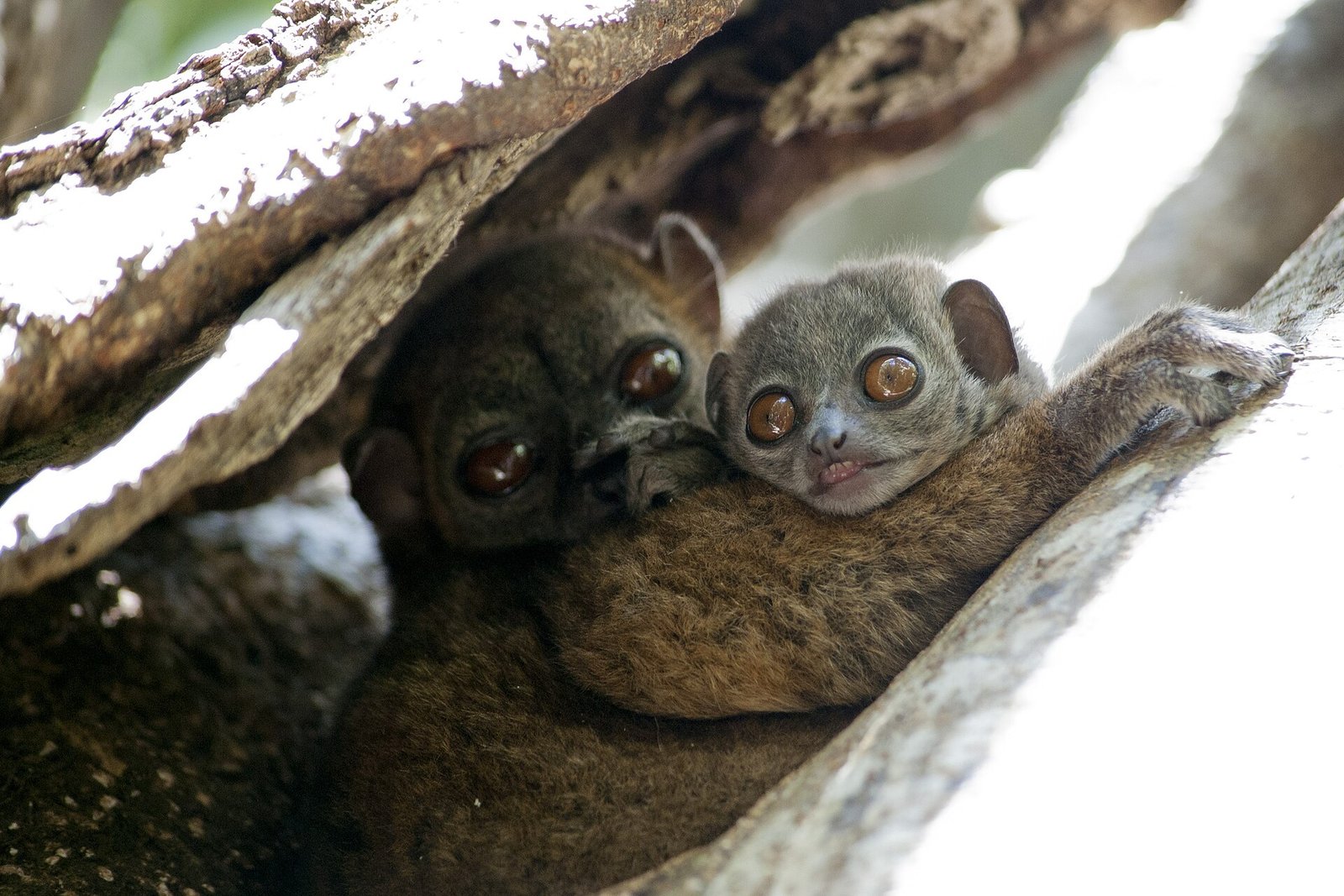
By day, the forest's night hunters are asleep — and that is exactly when a good guide can show them to you. The mouse lemur is among the smallest primates in the world, small enough to fit in the palm of a hand, and curls up in tree hollows to sleep. The sportive lemur dozes in the fork of a branch or a hollow trunk, blinking down at you with huge dark eyes.
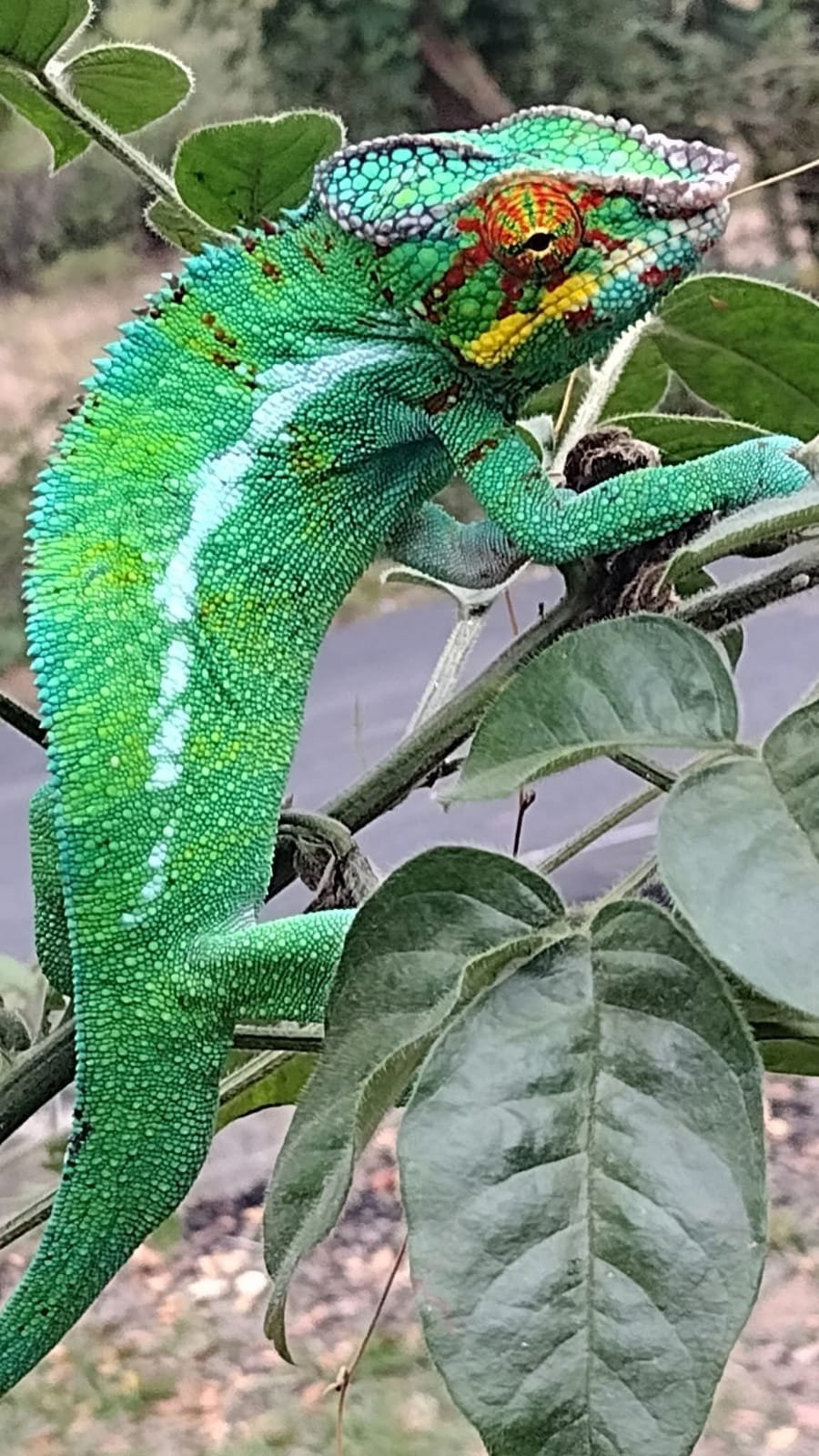
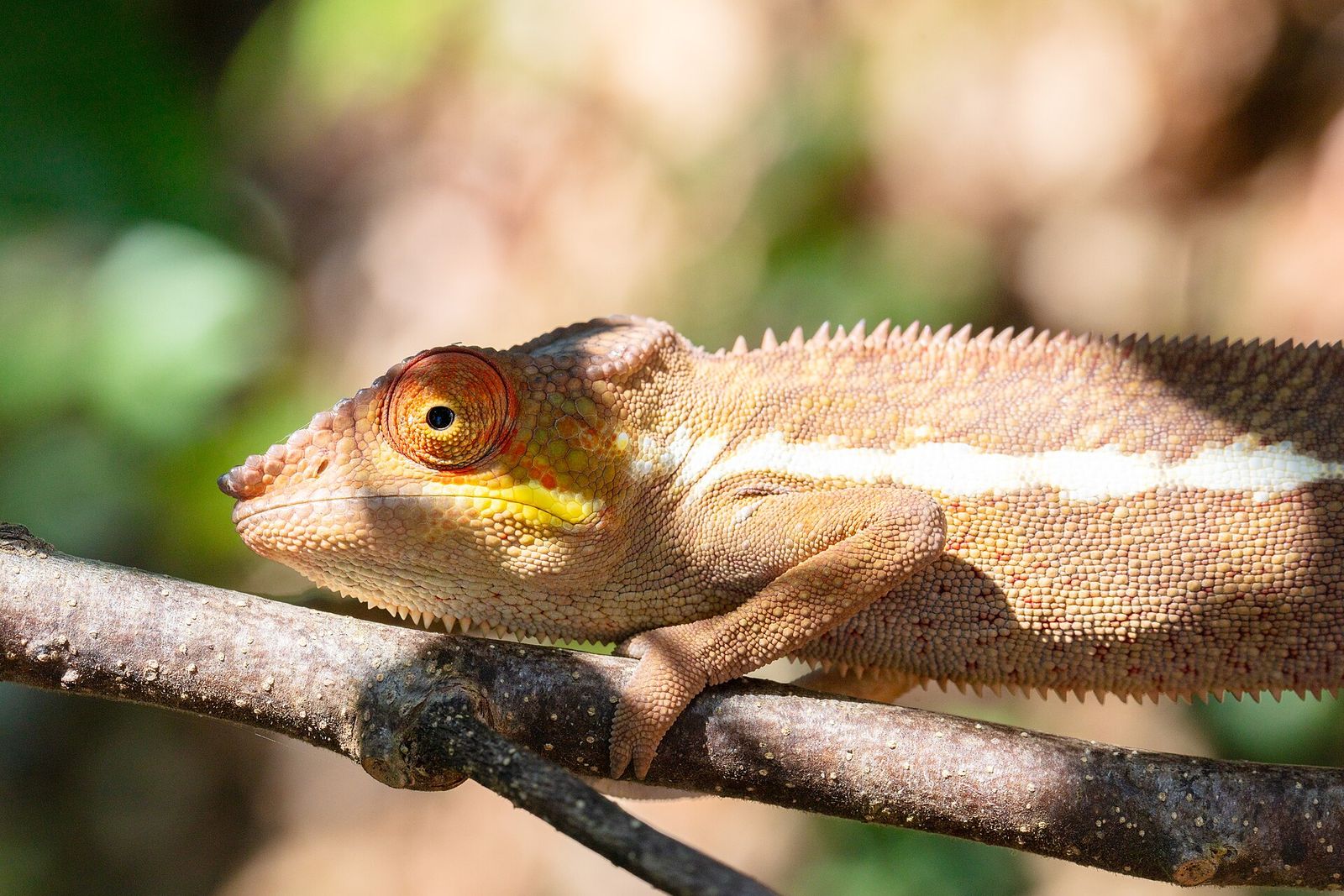
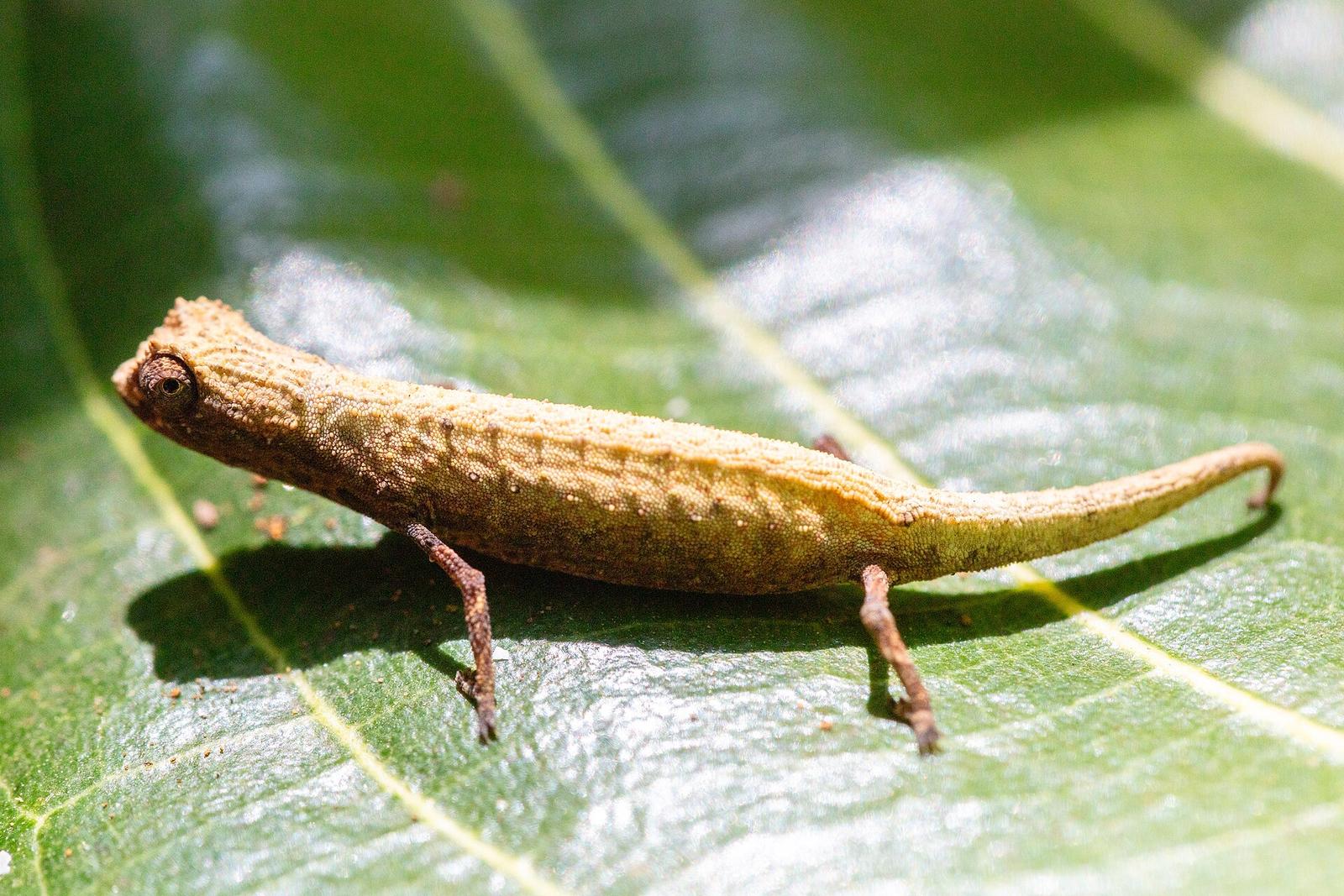
The panther chameleon is the showpiece — a slow-motion dragon in electric greens, turquoise, orange and red, swivelling one eye toward you while the other keeps watch. At the other extreme is the Brookesia, a stump-tailed chameleon barely longer than a fingernail and one of the smallest reptiles on the planet; it lives in the leaf litter and takes a guide's trained eye to find.

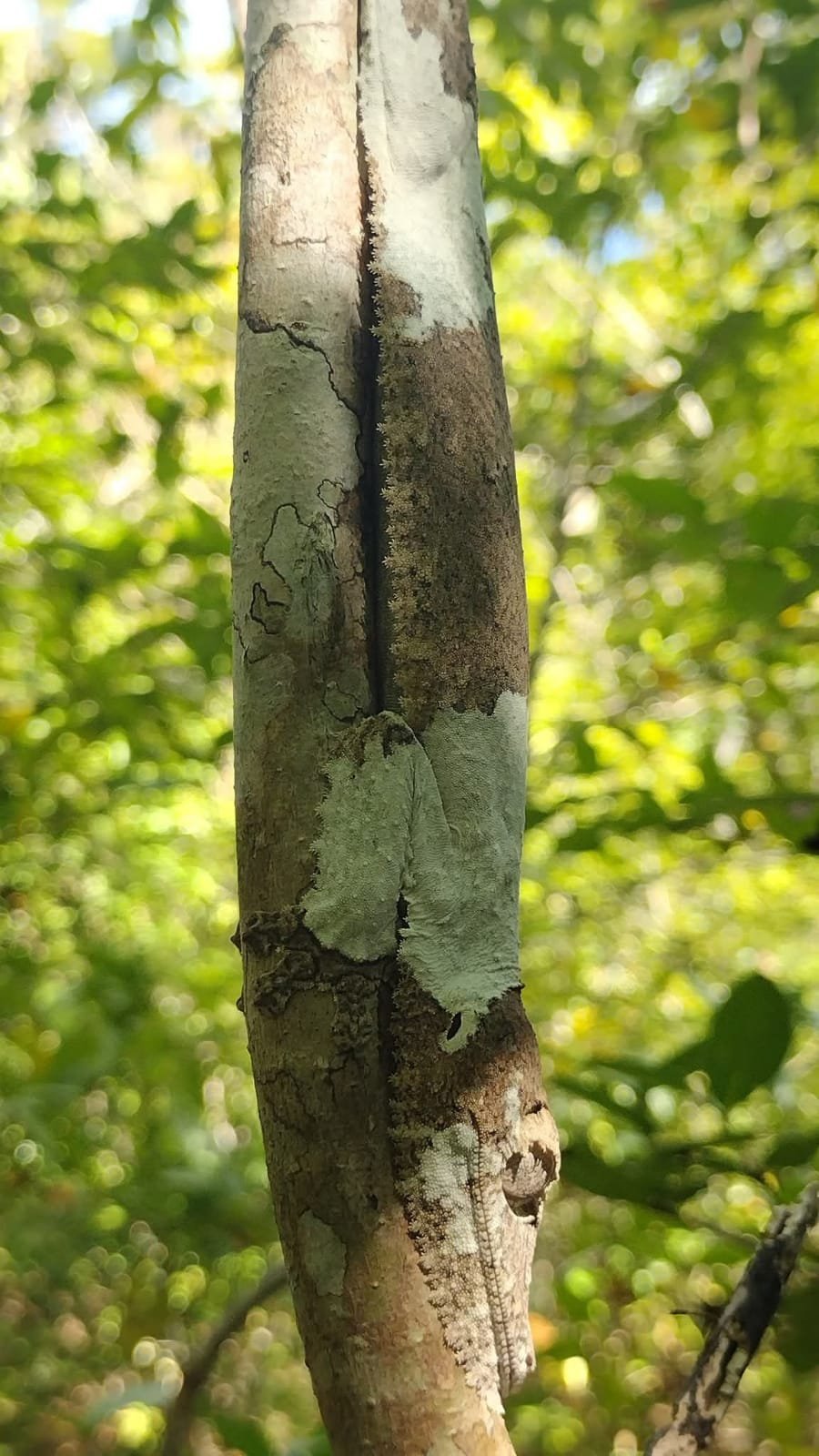
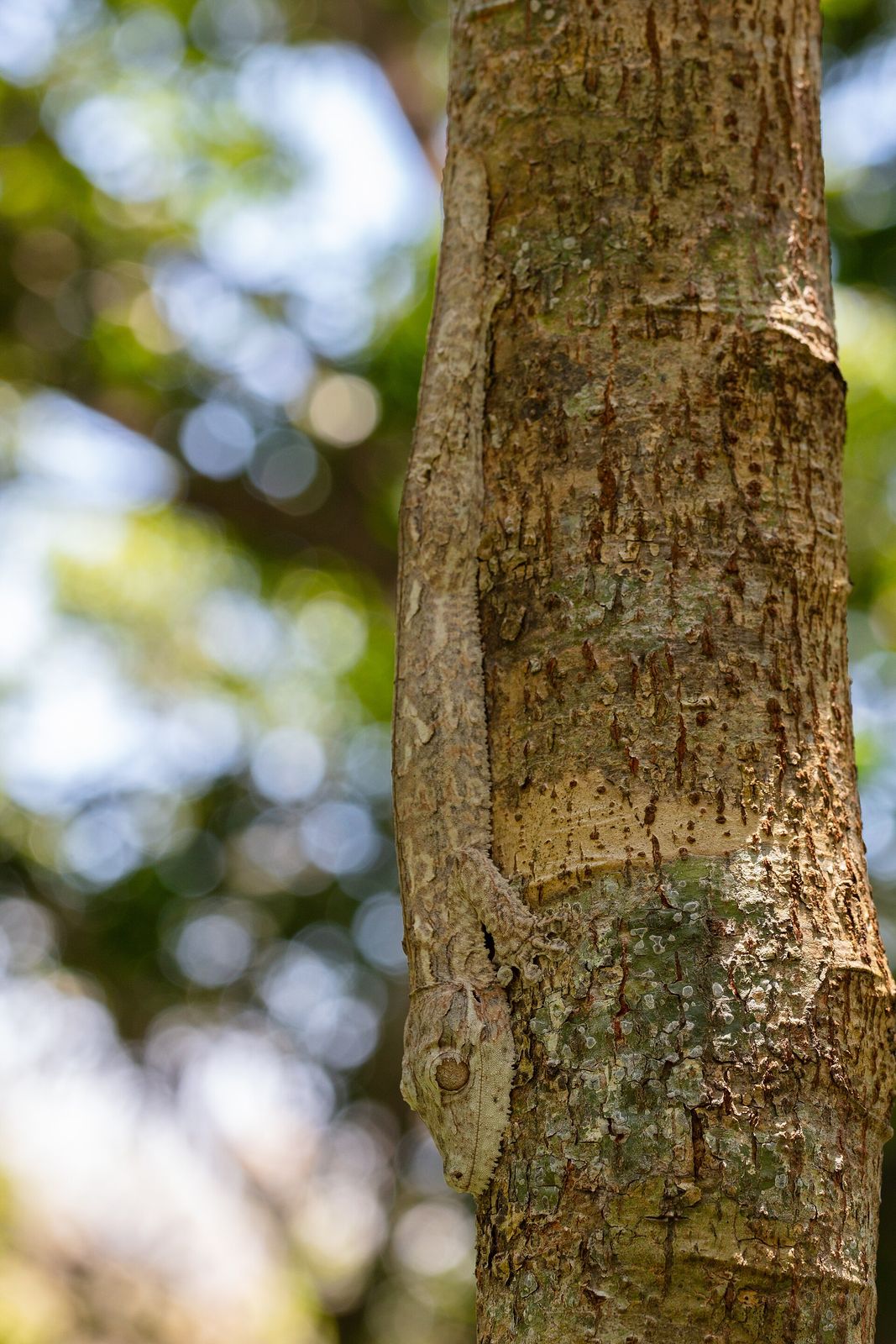
Some of Lokobe's animals you will only see because your guide knows exactly where to look. The leaf-tailed gecko (Uroplatus) flattens itself against the bark and simply disappears — fringed skin, mottled colour and a tail shaped like a dead leaf. Once your guide points one out, you will suddenly start seeing them everywhere.

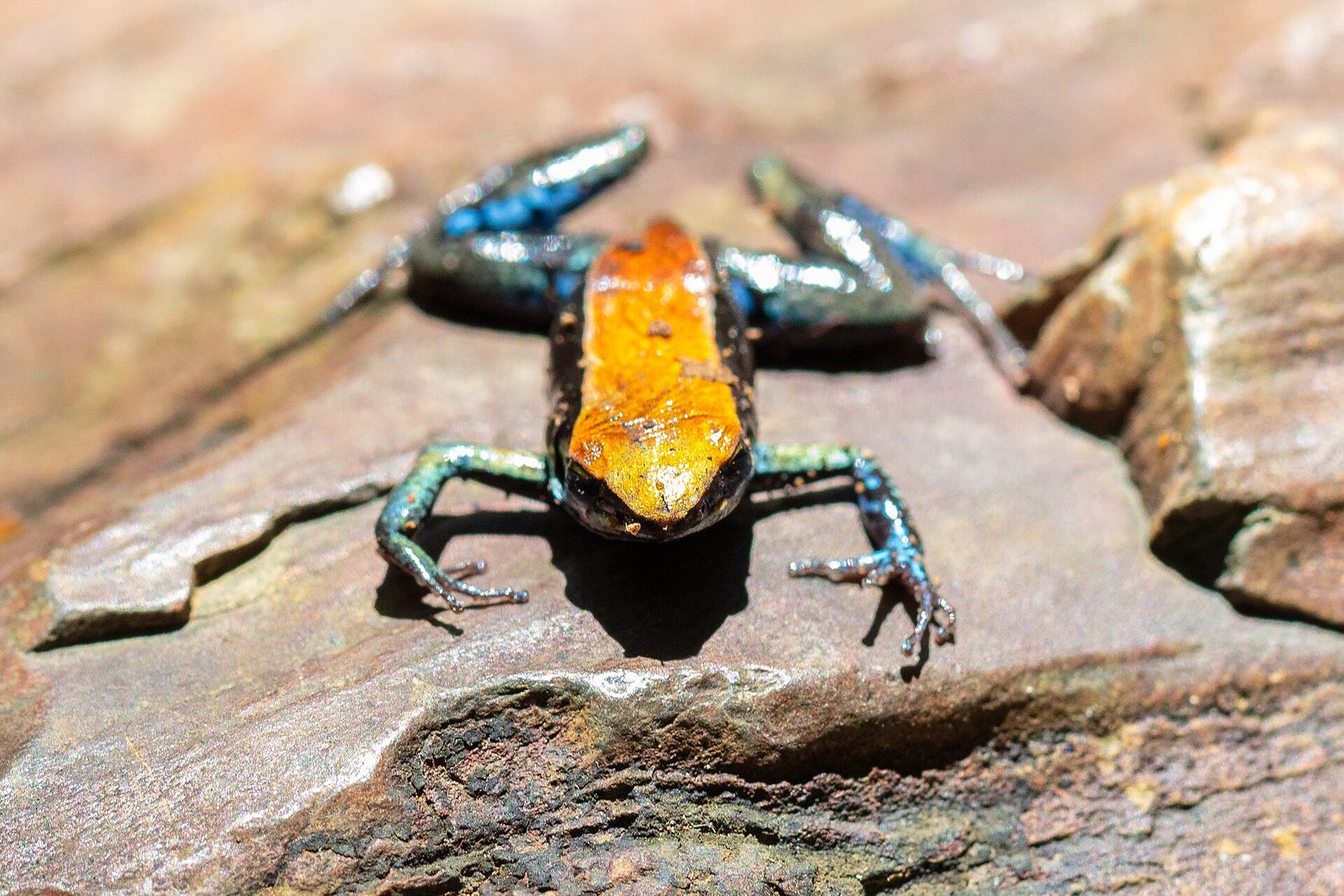
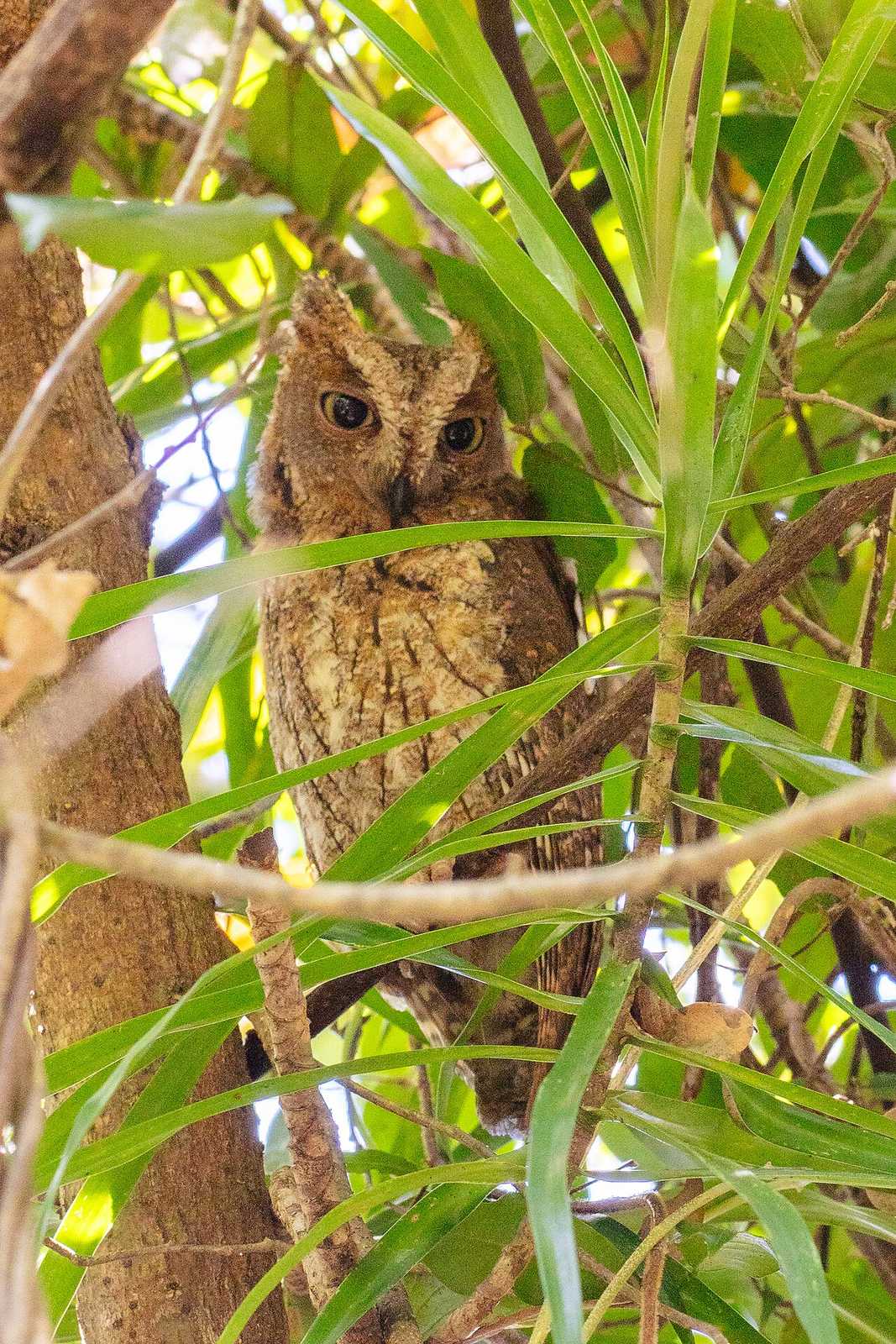
Madagascar's boas are constrictors, not venomous, and completely harmless to people — your guide may gently show you one resting in the shade. Down among the leaves, keep an eye out for the jewel-bright mantella frogs, tiny and vividly coloured, and listen for the Madagascar scops owl, a small nocturnal owl that guides often locate roosting quietly by day.
We pick you up at your hotel and drive to the village of Ambatozavavy, then cross the bay by traditional pirogue to Ampasipohy. There are no roads into the reserve — the short paddle across the mangroves is part of the experience.
It's an easy, unhurried walk on shaded forest paths, suitable for most ages and fitness levels, with frequent stops while the guide finds wildlife. The ground can be uneven and a little muddy, and the beach landing is wet, so closed shoes that can get wet are ideal.
These are wild animals, so nothing is guaranteed — but Lokobe is one of the most reliable places on Nosy Be for wildlife, and our local guides know the reserve intimately. On a typical visit guests see black lemurs, chameleons and geckos, and often nocturnal lemurs resting by day. Bring patience and a camera.
Nosy Be is a malaria-risk area, and the rainforest and mangroves at Lokobe have mosquitoes — most active at dawn and dusk. Come with insect repellent (with DEET or icaridin), wear long, light-coloured sleeves and trousers in the forest, and talk to your doctor or a travel clinic about antimalarial tablets before you travel. It's simple to manage, but worth preparing for — apply repellent before we set off and reapply during the walk.
Closed shoes that can get wet, insect repellent, a hat and sunscreen, drinking water, a light long-sleeved layer for the forest, and a camera or phone for the wildlife. A small dry bag is handy for the pirogue crossing.
Reserve online through our contact form — no payment, card details or transfer are needed to hold a date. For some tours we ask for a deposit the day before departure, paid in cash to your guide when you meet. Everything else is paid to your guide on the day of the tour, in cash (EUR, USD or MGA) or by mobile money. We never ask for online payments or bank transfers — if anyone contacts you claiming to be us and asks for one, it is not us.
60 € per person. You pay your guide on the day of the tour, in cash or by mobile money — nothing is charged when you reserve.
Hotel pick-up, the pirogue crossing, park entry tickets, a licensed guide, lunch, bottled water and soft drinks.
Want to pair the rainforest with a taste of Madagascar's spices? Add the Ambanja plantation tour — or see all our excursions.